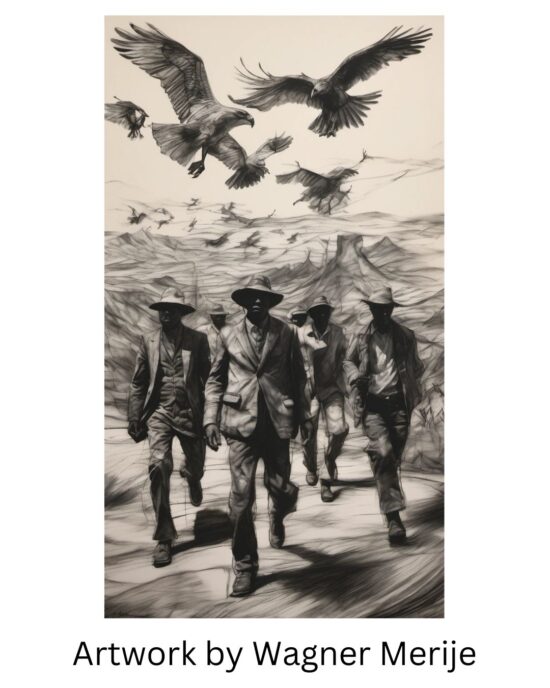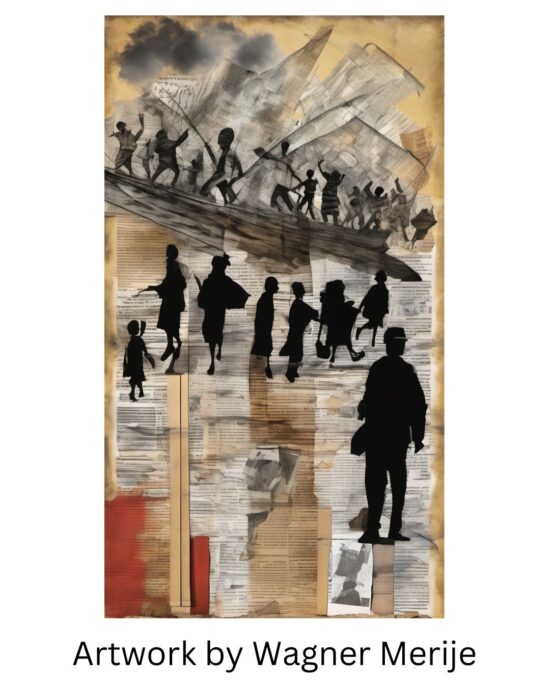
Não é mais o vento que conhecemos – aquele que balançava a rede e trazia cheiro de mangueira madura.
É outra coisa agora.
Algo que se levanta das entranhas do tempo com dentes de aço e um rugido de planeta partido.
Cento e quarenta, cento e sessenta quilômetros por hora – números que não dizem nada até você ver a árvore de cem anos se curvar como uma vara verde,
até você ouvir o telhado cantar sua canção de despedida em dó menor,
até você sentir a casa respirar, expandir, tremer nas juntas como um animal assustado.
A madrugada será varrida.
Não limpa, não purificada – varrida.
Como quem apaga um quadro com a manga, como quem joga fora uma história mal contada.
O que vier depois não será a mesma madrugada. Será outra. Com cicatrizes no ar, com memória de destruição nos galhos quebrados.
E a chuva – ah, a chuva!
Não é a chuva dos poetas, aquela que cai mansinha para rimar com saudade.
É uma chuva fria, forte, vertical como uma sentença.
Cai com vontade de furar o solo, de atingir o centro da terra, de lavar até os ossos dos mortos.
Cai como se fosse a última. Como se soubesse que depois dela só haverá silêncio ou fogo.
Eles ativaram o Plano de Emergência.
Gosto dessa palavra: emergência. Do latim emergere – “sair das águas”, “vir à tona”.
É disso que se trata: de emergir. De deixar de ser o que estávamos para ser o que sobreviver.
Há protocolos, papéis carimbados, sirenes com vozes gravadas.
Há homens sérios em salas com mapas e telas piscantes.
Há uma logística do fim do mundo, meticulosa e burocrática.
Até o apocalipse tem sua papelada.
Fecharam as escolas.
As carteiras vazias esperam.
O quadro-negro guarda a última equação não resolvida.
No corredor, um lanche esquecido embrulhado em papel filme.
As crianças estão em casa, ouvindo o barulho do mundo desabar e pensando, com a lógica feroz dos pequenos:
“Se fecharam a escola, deve ser sério mesmo.
Os adultos só fecham a escola para coisas muito importantes ou muito perigosas.”
E esta tempestade é ambas.
A ordem é: protejam-se!
Mas como nos protegemos do que vem de dentro e de fora ao mesmo tempo?
Como erguemos muros contra o vento que já habita nossos pulmões?
Como fechamos janelas para a chuva que já corre em nossas veias?
Protejam-se.
Enfiem-se nos porões da carne.
Fechem as portas dos ossos.
Tape os ouvidos com a cera das memórias boas.
Ajoelhem-se no chão mais firme que encontrarem – que pode ser um amor antigo, uma palavra guardada, a mão de um filho no escuro.
Porque o vento de cento e sessenta por hora não quer apenas derrubar árvores.
Quer derrubar certezas.
A chuva forte não quer apenas inundar ruas.
Quer inundar os porões da alma onde guardamos o que não queremos ver.
Eu lhes digo: esta tempestade é romântica.
Sim, romântica no sentido mais obscuro e verdadeiro.
Ela não vem apenas para destruir, mas para revelar.
Para mostrar que debaixo do asfalto há terra.
Debaixo da calma há pânico.
Debaixo da vida há morte, e debaixo da morte há mais vida, brava e teimosa.
O vento escreve cartas de amor furiosas nas paredes.
A chuva canta uma ópera sobre tudo que já perdemos.
E no centro do furacão, há um olho – um silêncio redondo e perfeito onde tudo para.
É ali, no olho da tempestade, que você se lembra do seu próprio nome.
Que você vê, claramente, o que importa e o que é apenas vento passando.
Então protejam-se, sim.
Mas protejam também a chama frágil que há em vocês.
Aquela que treme, mas não se apaga.
Porque depois que os ventos de cento e sessenta passarem,
depois que a chuva forte tiver dito tudo o que tinha a dizer,
alguém terá que acordar e olhar o mundo, esteja como estiver.
Alguém provavelmente terá que começar de novo.
E esse alguém, com as mãos sujas de entulho e os olhos cheios de uma luz estranha,
será você.
A tempestade é um aviso.
O aviso é romântico.
E o romance é isto: a promessa louca e lúcida de que mesmo depois do fim,
há um início que vale a pena ser vivido.
Com os pés na lama, com o coração batendo forte, com a coragem frágil e invencível
de quem sobreviveu ao vento e descobriu que, no fundo,
é feito da mesma matéria das tempestades.
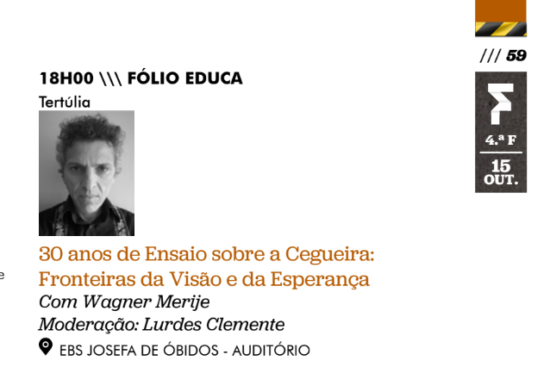
Um poema em processo de Wagner Merije

THE ROMANTIC WARNING OF THE STORM
This is no longer the wind we knew – the one that rocked the hammock and carried the scent of ripe mango trees.
It is something else now.
Something that rises from the bowels of time with steel teeth and the roar of a cracked planet.
One hundred and forty, one hundred and sixty kilometres per hour – numbers that mean nothing until you see the hundred-year-old tree bend like a green twig,
until you hear the roof sing its farewell in C minor,
until you feel the house breathe, expand, tremble at the joints like a frightened animal.
The dawn will be swept away.
Not cleaned, not purified – swept.
Like someone wiping a canvas with a sleeve, like someone discarding a poorly told story.
What comes after will not be the same dawn. It will be another. With scars in the air, with the memory of destruction in the broken branches.
And the rain – ah, the rain!
It is not the rain of poets, the kind that falls gently to rhyme with longing.
It is a cold, hard rain, vertical as a sentence.
It falls with the desire to pierce the soil, to reach the centre of the earth, to wash even the bones of the dead.
It falls as if it were the last. As if it knew that after it there will be only silence or fire.
They have activated the Emergency Plan.
I like that word: emergency. From the Latin emergere – “to rise from the waters”, “to come to the surface”.
That is what this is about: to emerge. To cease being what we were and become what survives.
There are protocols, stamped papers, sirens with recorded voices.
There are serious men in rooms with flickering maps and screens.
There is a logistics for the end of the world, meticulous and bureaucratic.
Even the apocalypse has its paperwork.
They have closed the schools.
The empty desks wait.
The blackboard holds the last unsolved equation.
In the corridor, a forgotten lunch wrapped in cling film.
The children are at home, listening to the sound of the world collapsing and thinking, with the fierce logic of the small:
“If they closed the school, it must be serious indeed.
Adults only close the school for things very important or very dangerous.”
And this storm is both.
The order is: protect yourselves!
But how do we protect ourselves from what comes from within and without at the same time?
How do we raise walls against the wind that already inhabits our lungs?
How do we close windows to the rain that already runs in our veins?
Protect yourselves.
Bury yourselves in the cellars of the flesh.
Close the doors of your bones.
Plug your ears with the wax of good memories.
Kneel on the firmest ground you can find – which may be an old love, a word kept safe, the hand of a child in the dark.
Because the wind of one hundred and sixty per hour does not want only to topple trees.
It wants to topple certainties.
The hard rain does not want only to flood streets.
It wants to flood the cellars of the soul where we keep what we do not wish to see.
I tell you: this storm is romantic.
Yes, romantic in the most obscure and true sense.
It does not come only to destroy, but to reveal.
To show that beneath the asphalt there is earth.
Beneath the calm there is panic.
Beneath life there is death, and beneath death there is more life, brave and stubborn.
The wind writes furious love letters on the walls.
The rain sings an opera about all we have lost.
And at the centre of the hurricane, there is an eye – a round and perfect silence where everything stops.
It is there, in the eye of the storm, that you remember your own name.
That you see, clearly, what matters and what is merely passing wind.
So protect yourselves, yes.
But protect also the fragile flame that is within you.
The one that trembles, but does not go out.
Because after the winds of one hundred and sixty have passed,
after the hard rain has said all it had to say,
someone will have to wake and look upon the world, whatever its state.
Someone will likely have to begin again.
And that someone, with hands dirty from rubble and eyes full of a strange light,
will be you.
The storm is a warning.
The warning is romantic.
And the romance is this: the mad and lucid promise that even after the end,
there is a beginning worth living.
With feet in the mud, with the heart beating strong, with the fragile and invincible courage
of one who survived the wind and discovered that, at bottom,
they are made of the same substance as the storms.
A poem in process by Wagner Merije